

/ CREATIVE INFRASTRUCTURE
Infrastructure that keeps brands running.
DAM architecture, governed asset libraries, and workflow systems built so teams move faster without breaking brand consistency.



/ STUDYPORTALS CASE STUDY
Systems built for real teams.
/ DAM & BRAND HUB
From scattered files to governed infrastructure.
I built a dedicated SharePoint Brand Hub and DAM structure, bringing previously scattered brand resources into one central, governed location. It housed everything from colour and typography to illustration libraries, icons, approved imagery and reusable assets. Guidance lived alongside the assets themselves, with practical examples, tips for non designers and an FAQ covering recurring questions.
The Brand Hub later became part of our Microsoft Copilot setup. Brand resources and approved PowerPoint templates were connected to Copilot, allowing colleagues to create branded presentations and content using the same approved materials that informed the rest of our creative work.
/ TEMPLATE ECOSYSTEM DESIGN
Design systems people can actually use.
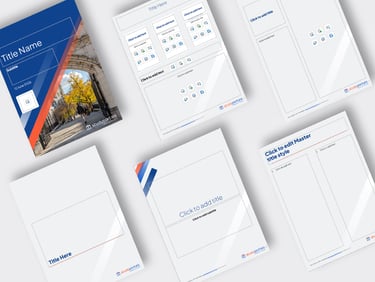
I built a template system across Adobe, Microsoft applications, Canva and Microsoft Copilot, turning our brand guidelines into practical tools that could be used across the organisation. The templates were created with non designers in mind, with brand decisions already built into the layouts and clear guidance for when and how to use them.
Through SharePoint, approved templates were also made available directly within Microsoft applications. This meant employees could work from the latest version without having to search for files or wonder which template was still current. It reduced outdated materials and version issues, while giving teams more freedom to create everyday brand content themselves.
/ CREATIVE WORKFLOW ARCHITECTURE
Designed to reduce friction.
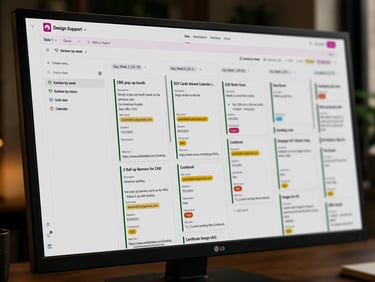
I mapped and redesigned the creative workflow in Tablou from the initial request through to final delivery, creating a clear record of what had been reviewed and what was ready for publication. The new workflow gave us a much clearer view of each project, including its timeline, ownership and where things were getting stuck. Turnaround improved considerably, with smaller requests sometimes completed within a day, or even hours, and larger projects usually within a week, rather than taking several weeks.
Quality control was built into the process intself. Before publication, every piece of work was reviewed by a second pair of eyes to catch any errors or inconsistencies. This process significantly reduced the publishing errors.
/ HOW THE WORK IS BUILT
Every system is built with governance documentation and a info session. The work outlasts the engagement.
Documented, handed over, owned by the team.
Map what exists.
Build the structure.
Make it work daily.
From there, I designed the system behind the work. DAM taxonomy, templates, workflows, governance and approvals were brought together into a structure that was easier to manage and could grow with the brand and team.
I started by looking at what we already had: assets, templates, tools and existing ways of working. This showed where things were getting lost, where work was being repeated, and which parts of the process needed attention first.
I created documentation and onboarding guides, recorded instructional videos and ran live training sessions. Day to day requests, priorities and progress were managed through Airtable, giving the team a clearer view of ongoing work.